The Rise of Browser-Based Gaming in 2026
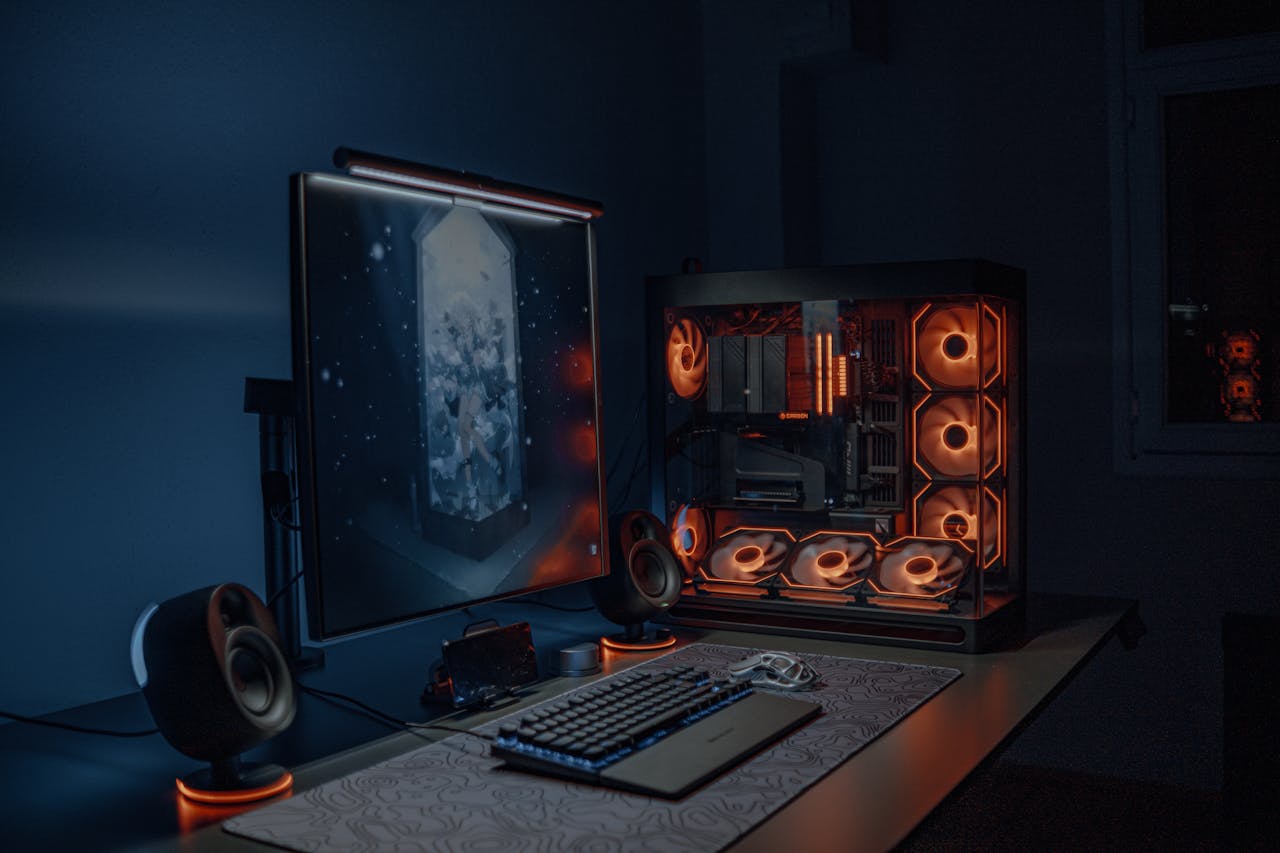
The landscape of online gaming has undergone a remarkable transformation over the past few years, and 2026 stands as a watershed moment for browser-based entertainment. What was once dismissed as a niche category filled with simple Flash games has evolved into a sophisticated ecosystem capable of delivering experiences that rival traditional desktop applications. Players across England and beyond are discovering that their web browser is now one of the most versatile gaming platforms available.
The Technology Behind the Revolution
At the heart of this transformation lies a constellation of web technologies that have matured simultaneously. WebGPU, the successor to WebGL, now provides near-native graphics performance directly in the browser. This means complex 3D environments, particle effects and real-time lighting can run smoothly without any plugins or downloads. The difference in visual quality between a browser game in 2020 and one in 2026 is staggering, with modern titles featuring detailed textures, dynamic shadows and fluid animations that would have been impossible just a few years ago.
WebAssembly has been another crucial enabler. By allowing developers to compile code written in languages like C++ and Rust to run in the browser at near-native speeds, WebAssembly has eliminated one of the biggest historical limitations of browser games: performance. Complex game logic, physics simulations and artificial intelligence routines can now execute efficiently within the browser sandbox, opening the door to genres that were previously exclusive to native applications.
Why Players Are Making the Switch
The appeal of browser-based gaming extends far beyond technical capabilities. For many players, the convenience factor is paramount. There is no need to download gigabytes of installation files, no waiting for updates to patch and no concerns about storage space on an already-full hard drive. Players simply navigate to a URL and begin playing within seconds. This instant accessibility has proven particularly attractive to casual gamers who want to enjoy a quick session during a lunch break or while commuting on a train across Surrey.
Cross-platform compatibility is another significant advantage. A browser game works equally well on a Windows laptop, a Macintosh desktop, a Chromebook or even a tablet. Players can start a session on their office computer and continue on their phone at home without any synchronisation hassles. This flexibility has made browser gaming especially popular among families and friend groups who use different devices but want to play together.
The Social Dimension
Modern browser games have embraced social features with enthusiasm. Real-time multiplayer functionality, once the domain of dedicated gaming platforms, is now seamlessly integrated into browser-based experiences. Technologies like WebRTC enable peer-to-peer connections that reduce latency, making competitive and cooperative play feel responsive and immediate. Players can create private rooms, share invitation links and jump into shared experiences without any of the friction that traditionally accompanied online multiplayer gaming.
Community features have also evolved significantly. In-game chat, friend lists, leaderboards and achievement systems create a sense of belonging and progression that keeps players engaged. Platforms like NeonPlay Arena have built vibrant communities around their games, with players forming teams, participating in tournaments and sharing creative content with one another. The social aspect of gaming has become just as important as the gameplay itself, and browser platforms are uniquely positioned to facilitate these connections.
The Creative Revolution
Perhaps the most exciting development in browser gaming is the emergence of creative tools and user-generated content. Players are no longer just consumers of gaming experiences — they are creators. Browser-based level editors, pixel art tools and music composition applications allow anyone with a web browser to contribute content to their favourite games. This democratisation of game creation has led to an explosion of diverse and imaginative content that professional developers alone could never produce.
Weekly creative challenges and competitions have become a defining feature of platforms like NeonPlay Arena. These events encourage players to push their creative boundaries while fostering a supportive community atmosphere. The results are often surprising and delightful, with amateur creators producing work that rivals professional output in terms of imagination and originality.
Looking Ahead
As we move through 2026, the trajectory for browser-based gaming looks exceptionally promising. Upcoming web standards will bring even more capabilities to the browser, including improved audio processing, better input device support and enhanced networking features. The line between browser games and native applications will continue to blur until it becomes practically invisible.
For players, this means an ever-expanding library of high-quality games that are always just a click away. For developers, it means a platform that reaches billions of devices worldwide without the barriers of app store approvals and platform-specific development. The browser-based gaming revolution is not coming — it is already here, and it is transforming how millions of people play, create and connect.